The History of Mushi Pro – 06 – Towards the World Masterpiece Theater (1971-1973)
Rather than narrate Mushi's supposedly inevitable fall, I'd like to paint a related, but different picture: that of a studio which, by the end of Tezuka's presidency and the entire course of Kawabata's, had lost almost all agency. Between 1970 and 1973, it was completely dependent on other entities -  chaotic producer Nishizaki, longtime partner Fuji TV, and the planning company Zuiyo Enterprises. Here, I will focus on the last two. The triangular relationship they formed with Mushi laid the ground for what would become one of anime history's most famous programs - The World Masterpiece Theater.

Heidi, Girl of the Alps

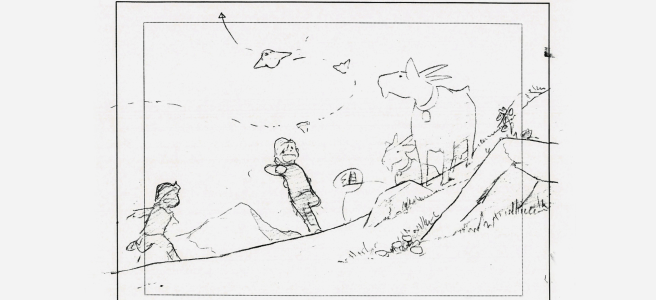
Heidi, Girl of the Alps needs no introduction. One of the most important and influential works in the history of Japanese animation, Isao Takahata’s first series for Zuiyo Video would set a gold standard for all subsequent World Masterpiece Theater entries. Much has already been said about Heidi, especially on its status as a so-called “pre-Ghibli” work or on how representative it is of Takahata’s style and philosophy. Considering the theme of this series, this article will instead put Heidi back in its historical context: that of the extended World Masterpiece canon, and of 1974 anime.

Yama Nezumi Rocky Chuck

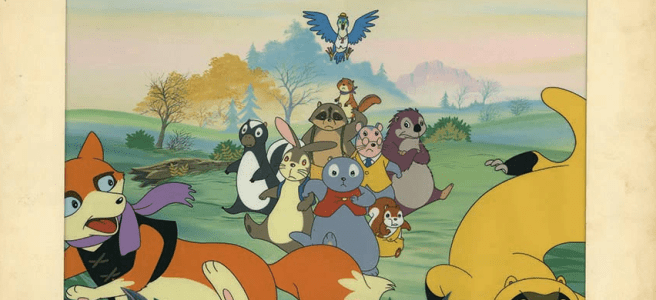
Yama Nezumi Rocky Chuck, known in the English-speaking world as Fables of the Green Forest, can be considered the first show to fit into the extended World Masterpiece Theater canon: it was the first production of studio Zuiyo Video, which would become Nippon Animation, to take place in the consecrated Sunday 19:30 time slot on Fuji TV.

The history of TMS – Part 3 : The watershed years

In 1973, anime celebrated its first decade of existence. But the anime industry in 1973 was almost a world apart from what it was 10 years earlier : the production system had become almost set to what it mostly still is today, the manpower had immensely grown and the studio organization had evolved. Moreover, new people had started producing their own original works, people whose names would be among the most famous in anime history.